How Phones Hijack Your Attention in Apps (and Fix It)
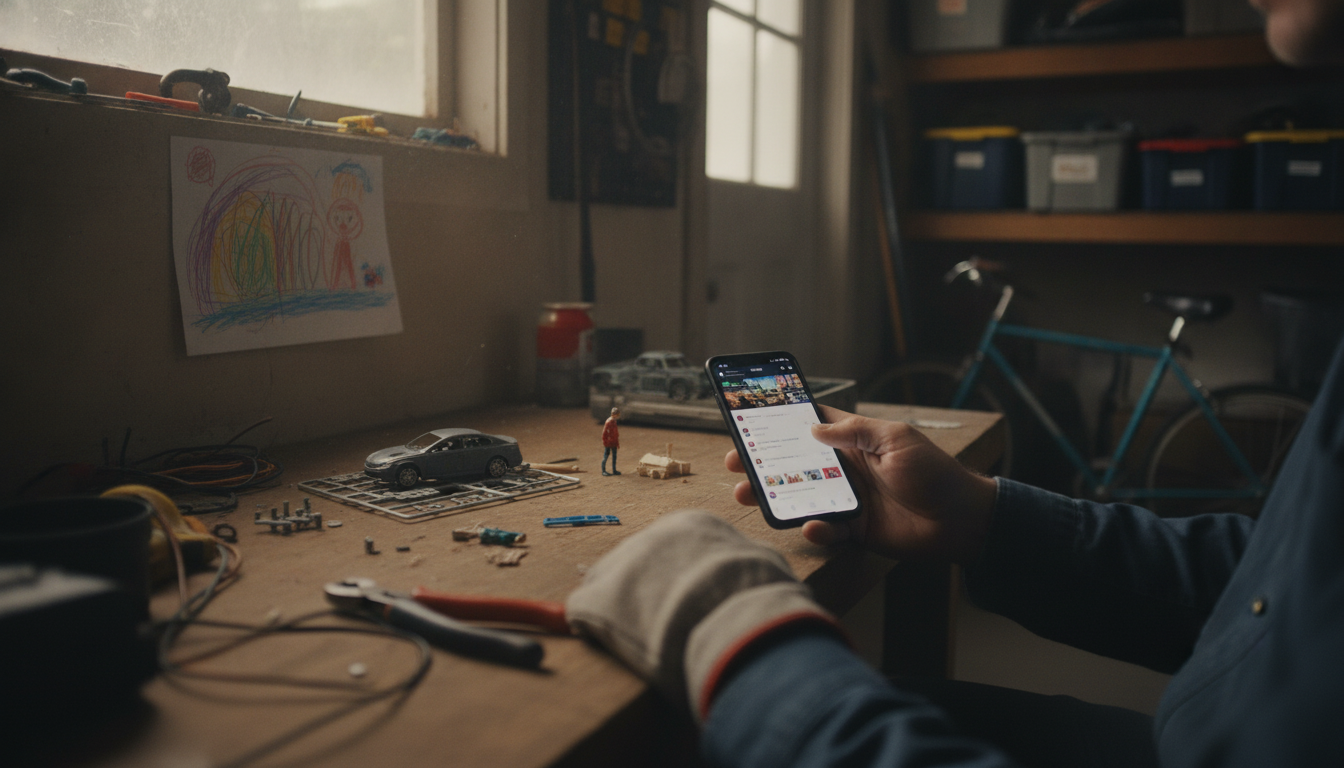
How phones hijack app
Phones “hijack” attention inside apps by stacking small design choices that keep the brain chasing the next hit of novelty. Most of it isn’t magic—it’s a loop: a cue (a buzz, badge, or boredom), a behavior (tap, scroll, open), and a reward (new content, a like, a message). The more often that loop pays off, the more automatic it becomes.
How do apps pull you back in so fast?
Apps use variable rewards—unpredictable payoffs like a surprising notification, a viral post, or a new comment. Because you can’t predict what you’ll get, checking becomes more frequent. Add frictionless access (Face ID, one-tap opens) and infinite feeds, and a “quick look” turns into 20 minutes before you notice.
What features do the most damage to focus?
Push notifications are the obvious culprit, but subtle features matter too: red badges, streaks, read receipts, autoplay video, and “pull to refresh” mechanics that mimic slot-machine behavior. Even when you ignore a notification, it can leave a mental residue—part of your attention stays stuck on what you might be missing.
How can you stop the hijack without deleting everything?
Start by cutting the cues. Turn off non-essential notifications, remove badges, and move tempting apps off your home screen. Then add speed bumps: log out, disable autoplay, set app limits, or use Focus modes so the phone supports the task you’re trying to do. Finally, replace the habit loop: decide what you’ll do when you feel the urge (stand up, drink water, open a notes app, or start a 2-minute timer).
For a practical reset plan that makes these changes feel manageable, follow the step-by-step guide here: https://supremias.com/guide-phone-distraction-explained-reclaim-focus-in-7-days/.
FAQ
Why do I keep checking my phone even when I don’t want to?
Repeated cues (boredom, stress, notifications) train your brain to expect quick relief or novelty. Breaking the cycle usually requires removing triggers and adding a simple alternative action before you open an app.










Leave a comment