Radiant Skin Routine: Essential Oils Done Safely
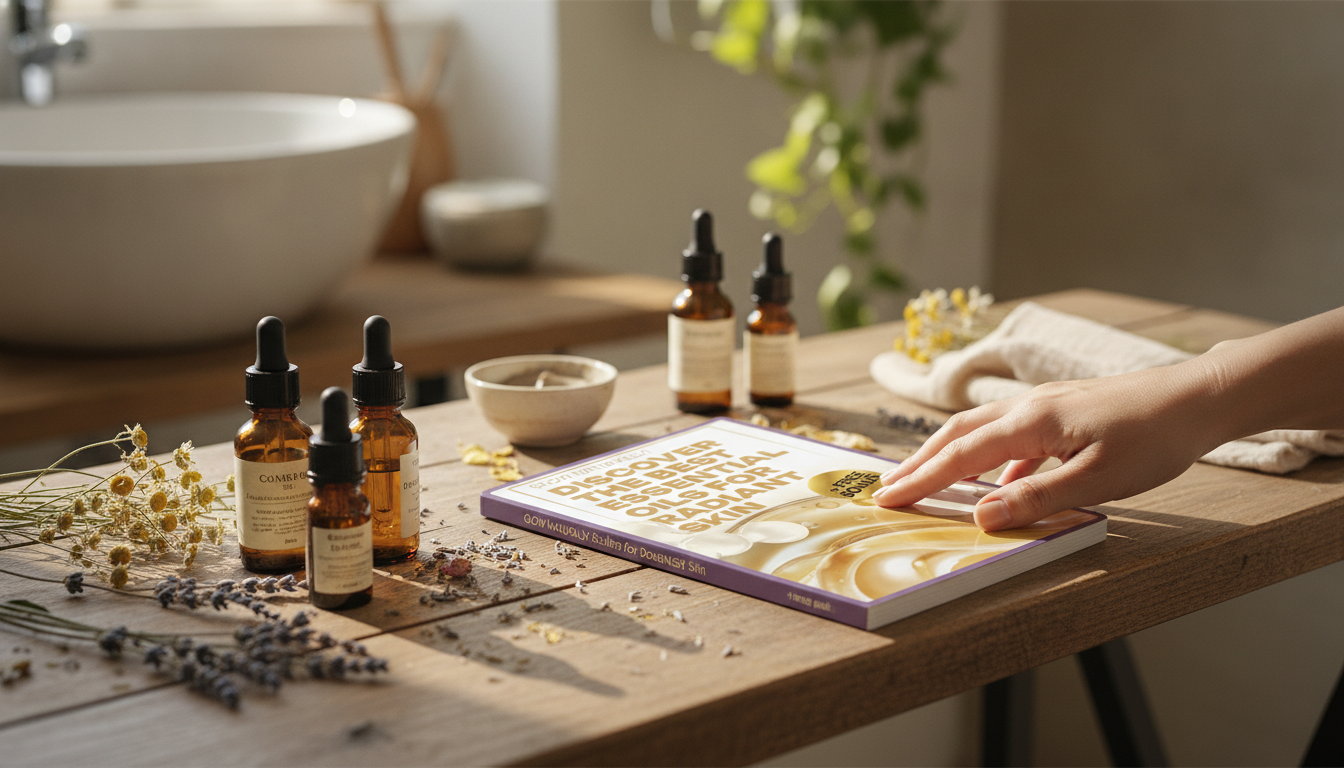
Glow Naturally: Essential Oils for Radiant Skin and a Simple Routine That Works
Radiant skin tends to come from consistent basics—gentle cleansing, barrier support, and smart hydration—then targeted extras only when they truly help. Essential oils can complement a routine by supporting the look of brightness, calm, and smoothness, but they must be chosen carefully, diluted correctly, and matched to your skin type. Below is a practical guide to picking oils, using them safely, and building a minimal routine that feels luxurious without being complicated. For more guidance, see [PDF] Natural Home Made Skin Care Recipes By Mia Gordon – SUNY.
What “Radiant” Skin Usually Needs
- A comfortable barrier: less tightness, less flaky texture, and fewer reactive patches.
- Even-looking tone: reducing the look of dullness and unevenness with gentle support.
- Balanced moisture: hydration plus an occlusive layer when dryness is present.
- Low irritation: fewer “new product” triggers and a slower pace when introducing actives.
When those basics are steady, a well-diluted essential oil (or a blend with just one essential oil) can be a nice finishing touch—especially at night, when you’re not layering on sunscreen or makeup. For further reading, see Essential Oils in Skincare: A Formulators Comprehensive Guide.
Essential Oils vs. Carrier Oils: The Non-Negotiable Difference
- Essential oils are highly concentrated aromatic extracts; they are not meant to be applied undiluted to facial skin.
- Carrier oils (like jojoba, squalane, sweet almond, grapeseed) dilute essential oils and also provide emollient support.
- A face-friendly blend typically uses a low dilution and prioritizes comfort over intensity.
- If your barrier is compromised (stinging with water, peeling, recent over-exfoliation), pause essential oils until calm returns.
If you want deeper background on safety and sensitivity, see the NCCIH overview on essential oils and DermNet’s guide to allergic contact dermatitis from essential oils.
Best Essential Oils for Common Skin Goals (and When to Skip Them)
- Lavender (Lavandula angustifolia): often chosen for a calmer, more comfortable feel; can work well in evening routines.
- Tea tree (Melaleuca alternifolia): commonly used for blemish-prone areas; best as a spot-support oil at very low dilution (not a full-face oil for most people).
- Frankincense (Boswellia spp.): popular for the look of smoothness and an “evened” appearance in mature or dry-feeling skin.
- Geranium (Pelargonium graveolens): often used for balance—particularly when skin feels both oily and dehydrated.
- Rose (Rosa damascena): frequently used for a pampering, glow-boosting sensory routine; typically more expensive and used sparingly.
- Skip or be extra cautious with strong citrus oils on leave-on daytime skin (phototoxicity risk for some expressed citrus oils). If used, prefer night use and verify guidance for the specific oil.
For fragrance ingredient safety frameworks used by many brands, you can also reference the IFRA Standards.
Quick Guide: Which Oil for Which Skin Type
Start with your skin type plus your current condition (season, stress, irritation) rather than trends. Keep blends simple—one well-tolerated essential oil is often enough—and patch test every new mix.
Essential oil pairings and safe starting points
| Skin type / concern | Often-chosen essential oils | Suggested carrier oils | Beginner dilution (face) |
|---|---|---|---|
| Dry, dull-looking | Frankincense, lavender | Jojoba, argan, squalane | 0.5% (about 1 drop per 10 mL carrier) |
| Oily, congested-looking | Tea tree (spot use), geranium | Grapeseed, jojoba | 0.25–0.5% (lower end first) |
| Sensitive, reactive-feeling | Lavender (optional) or none | Squalane, jojoba | 0–0.25% (consider skipping) |
| Uneven tone appearance | Rose, frankincense | Squalane, rosehip | 0.5% (night use preferred) |
| Mature-looking, drier texture | Frankincense, rose | Argan, squalane, jojoba | 0.5% (slow introduction) |
Dilution, Patch Testing, and Sensible Safety Rules
- Keep facial dilution low: a conservative range is 0.25–1% for leave-on facial products.
- Patch test: apply a diluted mix to a small area (inner forearm) once daily for 2–3 days; stop if irritation occurs.
- Avoid compromised skin: skip essential oils on broken skin, fresh chemical-exfoliation irritation, or active rashes without professional guidance.
- Watch phototoxicity: citrus oils can increase sun sensitivity depending on the oil and extraction method; confirm guidance and consider night-only use.
- Extra caution when needed: pregnancy, nursing, and certain medical conditions may require clinician guidance.
A Simple “Glow” Routine Using Essential Oils (Minimal Steps)
Morning (keep it calm and protective)
Night (where essential oils fit best)
Blemish-prone option (targeted only)
Weekly rhythm
Common Mistakes That Cancel the Glow
A Handy Digital Guide for Building a Radiant-Skin Oil Routine
If a step-by-step framework sounds easier than trial-and-error, Glow Naturally: Discover the Best Essential Oils for Radiant Skin – Digital Download walks through choosing oils based on skin feel and goals, simple dilution math, and a repeatable routine you can adjust through dry or oily seasons.
For a broader “daily care” reset that pairs well with any glow routine, The Real Story Behind Oral Hygiene Timing | Smart Dental Care Guide helps refine the timing of basic habits that support an overall fresh, well-cared-for look.
If you like a little extra polish alongside your skincare, Boho Chunky Resin Bangles Set – Retro Y2K Statement Jewelry for Women is an easy way to add a bold finishing touch—no routine required.
FAQ
Can essential oils be applied directly to the face?
No—undiluted essential oils are too concentrated for facial skin. Mix them into a carrier oil (or apply over moisturizer) at a low dilution to reduce irritation risk.
What is a safe dilution for essential oils in a facial oil?
A conservative range for leave-on facial use is about 0.25–1%. As a simple starting point, around 1 drop per 10 mL of carrier oil is roughly 0.5% (drop sizes vary), and patch testing is still important.
Which essential oil is best for glowing skin?
The “best” option depends on your skin type and what you tolerate well. Rose, frankincense, and lavender are commonly chosen, but consistent cleansing, moisturizing, and daily sunscreen usually make the biggest difference.












Leave a comment